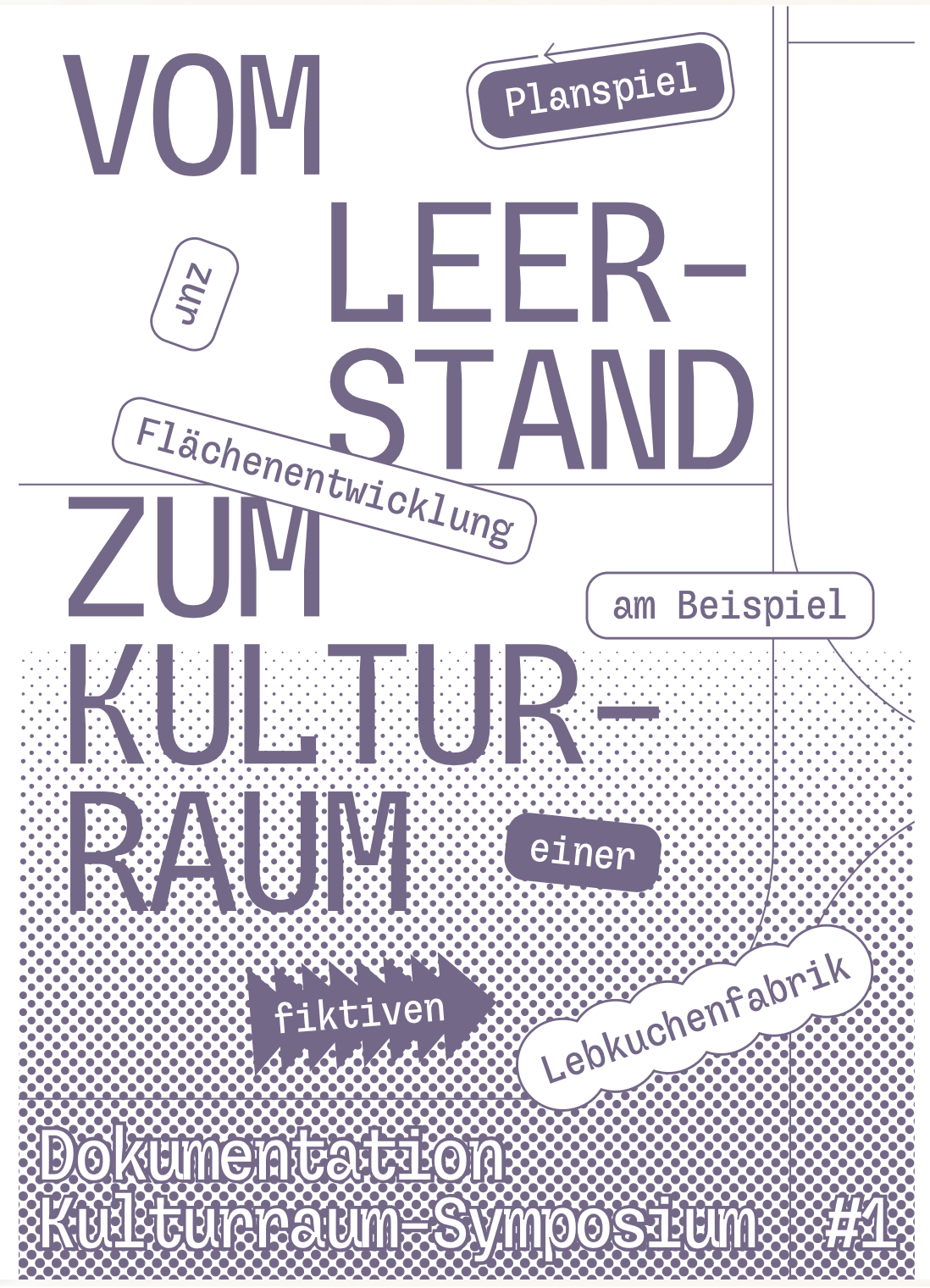
Cultural Space Management
Cultural space management involves intermediary and strategic work connecting public administration, the arts and cultural sector, policymakers, property owners and civil society. Commissioned by the City of Cologne’s Department of Arts and Culture, an integrated action plan was developed to establish a long-term framework for safeguarding and developing cultural spaces in the city.
The work combines hands-on project support with strategic concept development: from transforming individual vacant spaces and buildings and initiating participatory formats to facilitating negotiations between property owners, public administration and the independent arts and cultural sector.
Connecting stakeholders
Cultural space management mediates between five stakeholder groups:
- Public administration (Department of Arts and Culture) - Policymakers (city council and district councils) - Property owners (private and public) - Civil society / local communities - The independent arts and cultural sector
Formats and tools
- Cultural space symposia - Task forces and consultations - Round tables and regular meetings - An ideas incubator for temporary and subsequent uses - Role-playing exercises and simulations - Direct process support for building transformations


Safeguarding spaces for art and culture in the long term, making them accessible and developing new possibilities for their use.
— Department of Arts and Culture, City of Cologne
| Format | Target group | Frequency |
|---|---|---|
| Cultural space symposium | General public, professionals | Annually |
| Task forces | Public administration, property owners | As required |
| Regular meetings | Independent arts and cultural sector, representative organisations | Regularly |
| Round tables | All stakeholder groups | Quarterly |
| Ideas incubator | Independent arts and cultural sector, initiatives | Project-based |